Reinforcing Topical Significance Through Semantic Data Linkage

The Shift Towards Fluid Rankings in 2026
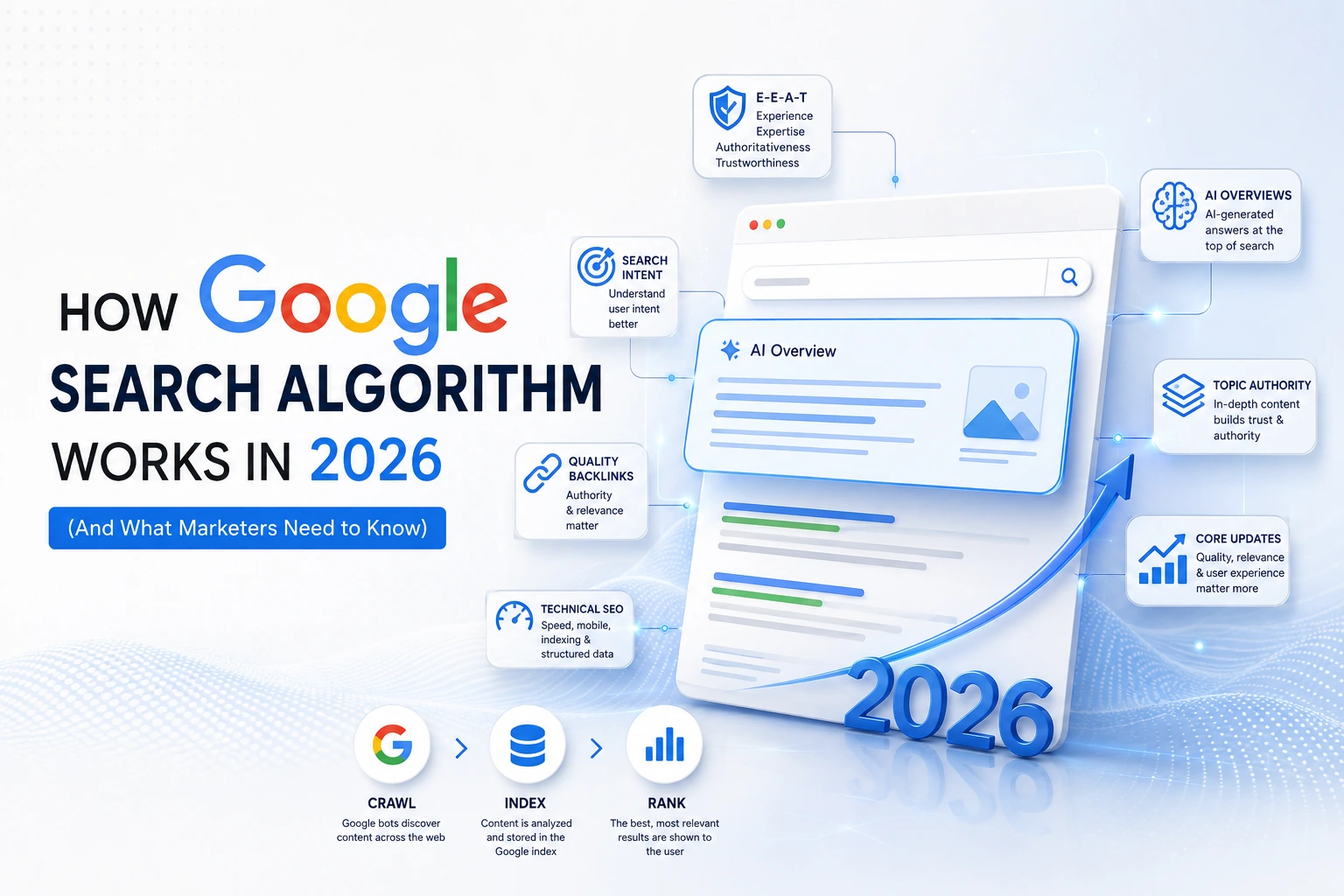
Online search engine outcomes pages (SERPs) ceased being static lists long before 2026, but the current year has actually seen the total dissolution of the conventional ranking grid. Today, volatility is not a periodic spike following a core update. It is a continuous state of flux driven by real-time design training and predictive intelligence. Sites that once sat easily in the top three positions for months now find their exposure altering by the hour, typically based upon the particular intent profile of the individual searching. This environment needs a relocation away from tradition tracking and toward a more technical understanding of how online search engine consume and translate data at scale.
The primary chauffeur of this 2026 volatility is the combination of generative action layers that synthesize info on the fly. These systems do not simply bring links. They produce custom interfaces. When a user asks a concern, the search engine evaluates countless possible sources, looking for factual accuracy, recentness, and the ability of the source to satisfy a multi-step query. Because these assessments happen in milliseconds utilizing specialized vector databases, the "winner" of a search question can alter as quickly as a new piece of information is crawled or a previous source is devalued for absence of context. This constant re-evaluation makes digital visibility in modern markets a matter of technical persistence instead of just content volume.
Predictive Browse Intelligence and User Intent Clusters
Browse engines in 2026 have moved beyond reacting to what a user types. They now predict the next 3 questions a user is most likely to ask. This predictive online search engine intelligence utilizes historic behavior and real-time patterns to pre-render outcome fragments. If the engine expects a shift in user interest, it adjusts the SERP before the user even completes their session. This develops a high-volatility environment where a page may rank for a particular keyword in the early morning but vanish by afternoon since the engine has shifted the "intent cluster" for that term toward a various topical focus.
Comprehending these intent clusters is the new standard for efficiency. Instead of targeting single expressions, technical teams now concentrate on semantic nodes. These nodes represent groups of associated concepts that online search engine treat as a single topical entity. When volatility strikes, it typically affects a whole node. A site might lose exposure since the engine chose that the existing user context needs more transactional information rather than informative guides. This is where crawl optimization ends up being essential. If a website can not signify its context quickly through clear, structured data, it runs the risk of being ignored throughout these rapid-fire intent shifts. Efficient management of Asia Virtual Solutions frequently helps bridge the space in between technical infrastructure and search engine analysis.
Handling Crawl Budgets for AI Agents
The method online search engine crawl the web has undergone a massive modification in 2026. Conventional bots that just "read" HTML are being phased out in favor of AI representatives that "comprehend" the relationship between data points. These representatives are far more resource-intensive, leading search engines to be a lot more selective about what they crawl and when. Crawl optimization is no longer almost repairing 404 mistakes. It is about minimizing the computational cost for the online search engine. Websites that supply tidy, API-accessible information or highly optimized headless architectures are seeing less volatility due to the fact that they are simpler for AI representatives to confirm.
When an AI agent experiences a website that is slow to render or has a messy internal link structure, it often appoints a lower concern to that domain. In a high-volatility market, a delay in crawling can mean a week of lost traffic. Online search engine are focusing on "freshness" and "authority" in such a way that needs nearly instant indexing. If a website publishes an important upgrade however the crawler does not see it for twelve hours, the predictive intelligence designs will continue to serve the old, potentially incorrect info, or even worse, they will prefer a rival whose website is simpler to ingest. This makes the technical health of a site the structure of its ranking stability.
The Role of Structured Data in Design Training
Structured information has become the primary language of search in 2026. While human-readable content still matters for conversion, search engines use Schema.org and other markup languages to train their real-time models. High SERP volatility is frequently a sign of the online search engine attempting to fix contrasting information in between different sources. If three different websites provide three various sets of truths about a service in a local area, the engine will change in between them up until one becomes the most "trusted" node. This trust is often constructed through constant, verifiable structured data that matches throughout multiple platforms.
Entities are now more crucial than keywords. A search engine in 2026 views a business, an item, or an idea as a distinct entity with particular attributes. Volatility happens when the engine is uncertain about the relationship between these entities. For instance, if a business is pointed out in a news short article however its own website doesn't reflect that brand-new details through correct markup, the engine may experience a "confidence drop," resulting in a short-term slide in the rankings. Preserving a steady existence needs a proactive technique to entity management, guaranteeing that every digital touchpoint enhances the exact same accurate data.
Presence Share vs. Traditional Ranking Positions
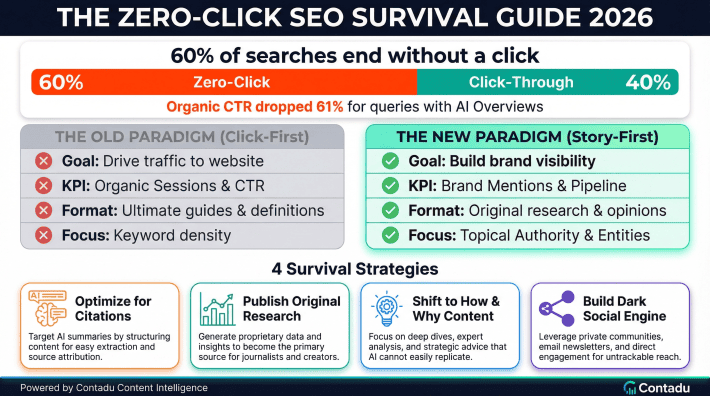
The metrics used to measure success have actually shifted considerably this year. Because the SERP is so unstable and individualized, a "number one ranking" is almost impossible to verify for everybody. Instead, experts are looking at visibility share. This metric tracks how often a brand appears in generative answers, carousel functions, and predictive recommendations across thousands of simulated user sessions. High volatility may mean a website moves from position one to place 4, but if it stays the main source for the AI-generated summary at the top of the page, its real traffic may increase.
This shift in focus requires a different type of reporting. Teams are now searching for patterns in the volatility. Does the site drop every time a particular competitor releases a video? Does presence boost when a specific kind of structured information is added? By analyzing these patterns, services can identify the "trigger occasions" that cause online search engine to re-evaluate their content. Using Asia Virtual Solutions Competitor Analysis has ended up being a typical way for business to keep an eye on these changes and respond before they end up being permanent losses. The goal is no longer to remain fixed, however to guarantee that when the SERP moves, it relocates your favor.
Technical Latency and its Effect on Browse Self-confidence
In the 2026 search environment, speed is not almost user experience. It is about model self-confidence. Online search engine utilize "latency-adjusted confidence ratings" to choose which results to reveal in their most popular positions. If a site takes 500 milliseconds longer to react than its rival, the online search engine's predictive design might de-prioritize it, not since of the user's patience, but because the engine requires to collect data for its generative reaction as rapidly as possible. Every millisecond of delay in the crawl or render procedure presents a danger of volatility.
Edge SEO has ended up being a standard practice to fight this. By moving optimization jobs-- like updating meta tags, injecting structured information, or managing redirects-- to the network edge, sites can react to crawlers with warp speed. This minimizes the time it considers a search engine to "validate" its prediction about a page's relevance. When the engine can verify its data rapidly, it is less most likely to swap that result out for another source during a high-volatility event. Stability in 2026 is frequently a byproduct of technical performance and the elimination of all unneeded friction between the server and the search representative.
Adjusting to User-Agent Optimization
Optimization for 2026 involves a specific concentrate on user-agent behavior. We are seeing online search engine deploy different kinds of crawlers for different functions: some for quick indexing of news, others for deep semantic analysis, and others for confirming transactional data. A one-size-fits-all technique to SEO results in inconsistent rankings since the website may please the "news" crawler however stop working the "semantic" crawler. Identifying which bots are going to which pages and what they are searching for is a critical part of contemporary search intelligence.
Log file analysis is more appropriate than ever. By watching how these diverse spiders engage with a website, technical teams can see precisely where the online search engine is having a hard time. If the semantic crawler is spending too much time on irrelevant pages, that is a clear indication that the site's internal hierarchy is puzzling the design. Correcting these concerns can result in an instant reduction in SERP volatility. A clean, logical path for each kind of bot makes sure that the online search engine has a high-confidence map of the site's value, which is the finest defense against the continuous shifts of the AI age.
The Future of Search Intelligence Beyond 2026
As we look toward completion of 2026 and into 2027, the pattern toward predictive search will just accelerate. We expect to see search engines approach "zero-query" user interfaces, where info is presented based upon biometric or environmental triggers. In such a world, the idea of a SERP may vanish totally, changed by a consistent stream of confirmed details. For those managing online platforms, the challenge will be to remain the most relied on source of reality in a world where the search engine is the ultimate gatekeeper.
The key to surviving this shift is a commitment to technical excellence and data stability. Volatility is just a danger to those who rely on outdated methods or low-quality material. For those who understand the mechanics of crawl optimization and predictive intelligence, the existing state of search provides a way to reach users with more precision than ever before. Success in this age does not originate from attempting to stop the volatility, however from ending up being the most dependable variable in the online search engine's complex equations.
The focus should remain on supplying structured, high-speed, and semantically abundant data. When online search engine can rely on a website to offer the finest response in the quickest amount of time with the least computational effort, they will naturally favor that website in their rankings. This is the reality of search in 2026: a hectic, AI-driven environment where the only constant is the requirement for technical precision. By focusing on the needs of both the human user and the AI representative, services can discover stability even in the most volatile markets.