Why Real-Time SERP Tracking Is Essential for Growth
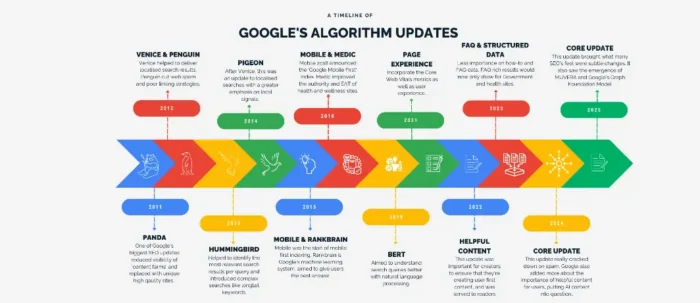
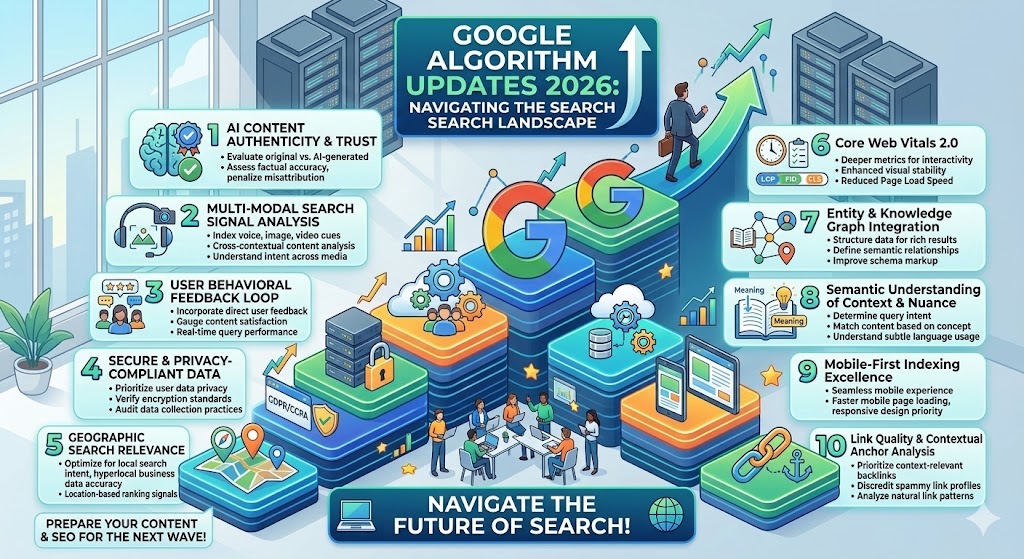
Some modifications are little. Others rewrite how Google evaluates whole classifications of material. Update TypeWhat It DoesFrequencyExample Reassess content quality across all search3-4 per yearMarch 2026 core upgrade Target manipulative practices and policy violations2-3 per yearDecember 2024 spam update Improve specific ranking systems (links, evaluations, and so on)VariesReviews system upgrade Little ranking adjustmentsConstantNot announced Core updates receive the most attention because they impact the most sites.
Predictive Search Intelligence Is the Future of SEOA core update does not target particular websites or strategies. It changes how Google examines quality overall. A page that ranked # 3 before a core upgrade may drop to # 15. Not since it got penalized. Due to the fact that Google decided other pages better please the search intent. Google's official position: "There is absolutely nothing incorrect with pages that carry out less well in a core update.
Maximizing Crawl Efficiency for Faster Backlink Discovery
A core update is an update to our overall ranking procedure." The useful implication: if you lose rankings after a core upgrade, the fix is not removing something bad. It is making your material really much better than the competitors. Core updates usually take 1-3 weeks to roll out entirely. Throughout rollout, rankings fluctuate as Google tests brand-new quality evaluations.
Every SEO expert need to know these updates. They developed the rules that still govern search rankings today. Thin content, material farms, duplicate material. Panda punished websites with low-quality pages designed to rank through volume, not worth. Material farms like Need Media and eHow lost 50-80% of their traffic over night. Websites with initial, extensive content that responded to real concerns.